
Willow Class
Teacher: Mrs Baker (Mon - Wed) Mrs Murray (Thursday - Fri)
PE days for the Autumn term: Tuesday and Friday
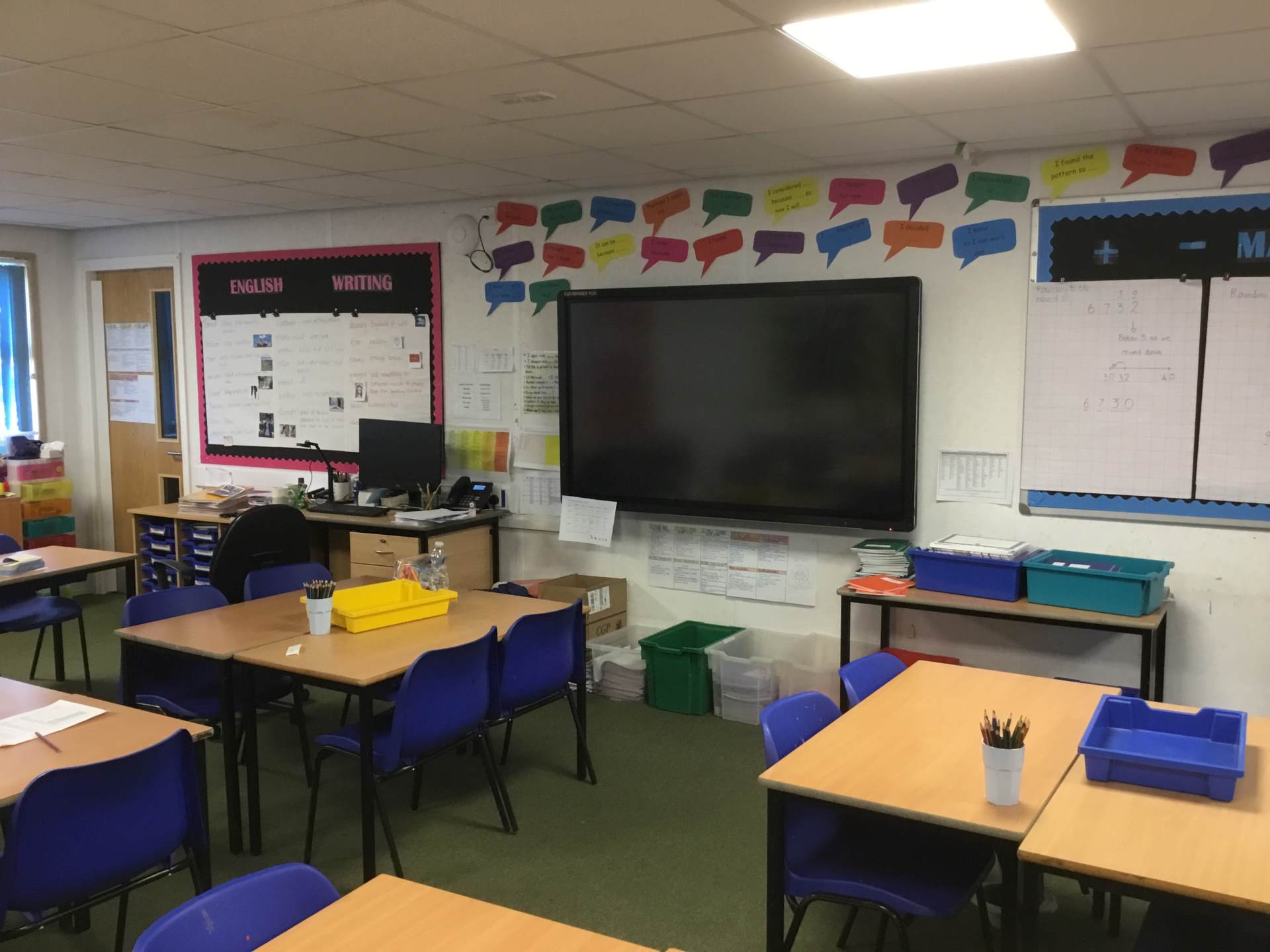
The Year 6 Classroom
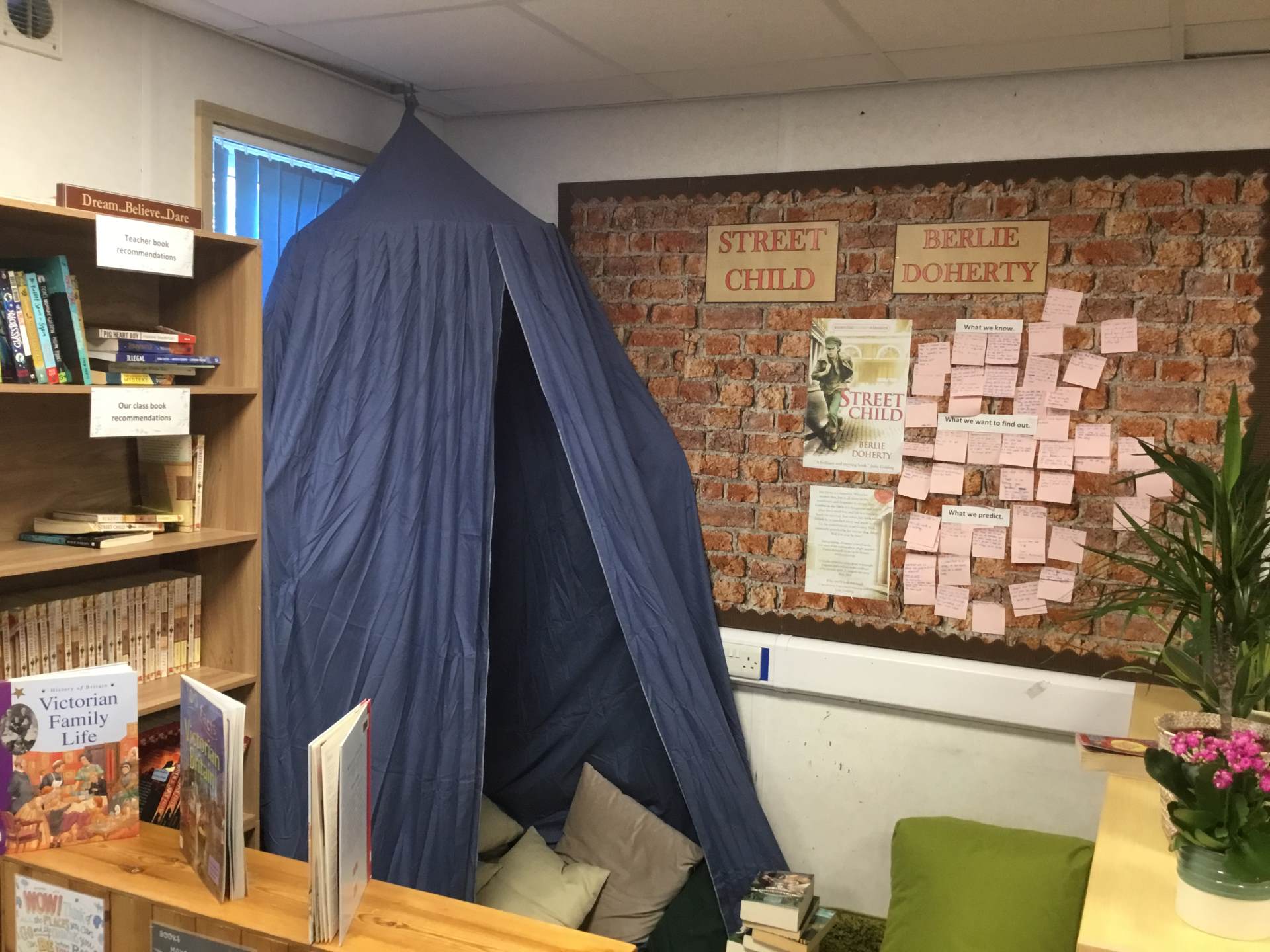
This half term, our main topic is The Victorians. Children will explore life during this fascinating period in history, learning about key events, people, and inventions that shaped the Victorian era.
Our Science focus is Light. Pupils will investigate how light travels, how we see things, and how shadows are formed.
Homework is set every Friday and should be completed and returned by the following Tuesday. Tasks are designed to reinforce classroom learning and provide extra practice to support your child’s progress.
PE lessons take place on Tuesdays and Fridays, with a focus this half term on Tag Rugby and Fitness.
Please ensure your child comes to school in their PE kit on these days:
-
A plain tracksuit for colder weather
-
Appropriate footwear
-
No earrings should be worn on PE days for safety reasons
Reading at Home
Regular reading at home plays a key role in your child’s development. We ask that children read daily and that this is recorded in their reading record. Reading records are checked every Monday. Your support at home is greatly appreciated and makes a real difference to your child’s progress.
Parent Consultations
We look forward to sharing your child’s progress with you during our upcoming Parent Consultations on:
-
Thursday 16th October
-
Tuesday 21st October
Further details will be shared closer to the date.
We firmly believe that a strong partnership between home and school gives children the best chance to thrive.
Thank you for your continued support — by working together, we can ensure every child has a happy, successful, and fulfilling school experience.
Homework
willow class homework 160925.pdf
Aspiration and Challenge Project
To engage and extend learning across all year groups, each topic is accompanied by a Challenge Question, several Project Options (consistently 3–4 choices per topic), and an outline of the higher level thinking skills involved.
Each project is designed to challenge pupils with creative, analytical tasks that promote higher-order thinking. The projects can be pursued independently at home (as optional challenges); teachers can provide feedback at school to support development. We also include cross-curricular subject links to highlight how each challenge connects to broader learning areas (e.g. Art, Computing, History, Science). Pupils are encouraged to choose one project per topic to explore in depth.
Challenge Question: How did the Battle of Britain unfold during World War II, who were the people involved, and what made this battle a turning point marked by heroism and resilience?
Project Options (choose one):
1. Battle of Britain Timeline with Profiles: Make an illustrated timeline of the key events of the Battle of Britain (July–October 1940). Mark dates for major air raids or turning points (like 10 July start, 13 August “Eagle Day” (Luftwaffe’s major attack), 15 Sept – peak of battle (now celebrated as Battle of Britain Day), 31 Oct end). Alongside the timeline, include short profiles (with a tiny photo or drawing) of 2–3 individuals: for example, a British RAF pilot (maybe someone like Douglas Bader or “Johnnie” Johnson), a female radar operator or a member of the Ground Observer Corps, and a civilian in London during the Blitz. Under each profile, write a few sentences about their role and acts of resilience or heroism (e.g. a pilot’s bravery in combat, a radar operator’s critical work in tracking planes, a civilian enduring bombings with courage and helping neighbours). This combines chronological understanding with human stories.
2. Aircraft Comparison Project: The battle was also a clash of aircraft. Make a comparison chart of the two primary fighter planes: the British Supermarine Spitfire (and Hawker Hurricane) vs the German Messerschmitt Bf 109. Draw each plane or use images. Create a table of specs and features: speed, maneuverability, firepower, range. Also mention how they were used (e.g. Hurricanes often targeted bombers while Spitfires engaged fighters). Conclude with a short paragraph on how the quality of planes and the strategy (plus radar advantage) helped the outnumbered RAF win. If you’re into models, you could optionally assemble a small model of one of the planes instead and label its parts.
3. Home Front Letter: Write a letter from a London evacuee or a child living through the Blitz to a pen-pal in the countryside or overseas. Describe the resilience side: how life has changed (night-time air raid sirens, sleeping in shelters or Tube stations, rationing of food), and mention any heroes you look up to (maybe pilots, or even local heroes like firefighters or ARP wardens who help during bombing raids). Also convey the spirit of resilience – how people still have hope, slogans like “Keep Calm and Carry On,” and community unity.
Spellings to Learn in Year 6
Curriculum Overview Spring Term Year 6
willow curriculum overview spring 1 2026.pdf
Recommended Reads in Year 6
sil y5 and 6 recommended reading list.pdf
Mathematics Overview for the Year
Welcome Meeting For Parents Presentation
year 6 welcome morning september 2025.pdf
End of Key Stage 2 SATS - Information for Parents
2025 key stage 2 national curriculum tests information for parents.pdf
School Trips
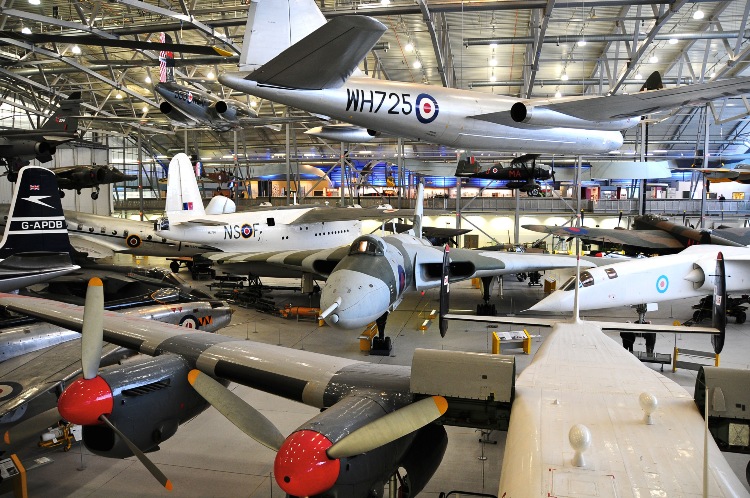
In Year 6, we visit Duxford Imperial War Museum in the Spring term. We also visit Chatham Green Wilderness Foundation and go on residential to Essex Outdoors in Mersea in the Summer term.